



CEIBS Africa Alumni Reunion in Zambia Celebrates Culture, Identity and Unity Through Fugu and Traditional African Fashion
The 2026 CEIBS Africa alumni reunion in Zambia turned into far more than just another gathering of learning and networking. It became a vibrant celebration of culture, identity and unity, with Ghana’s Fugu alongside other traditional costumes from Africa, China and beyond creating one of the event’s most memorable highlights.
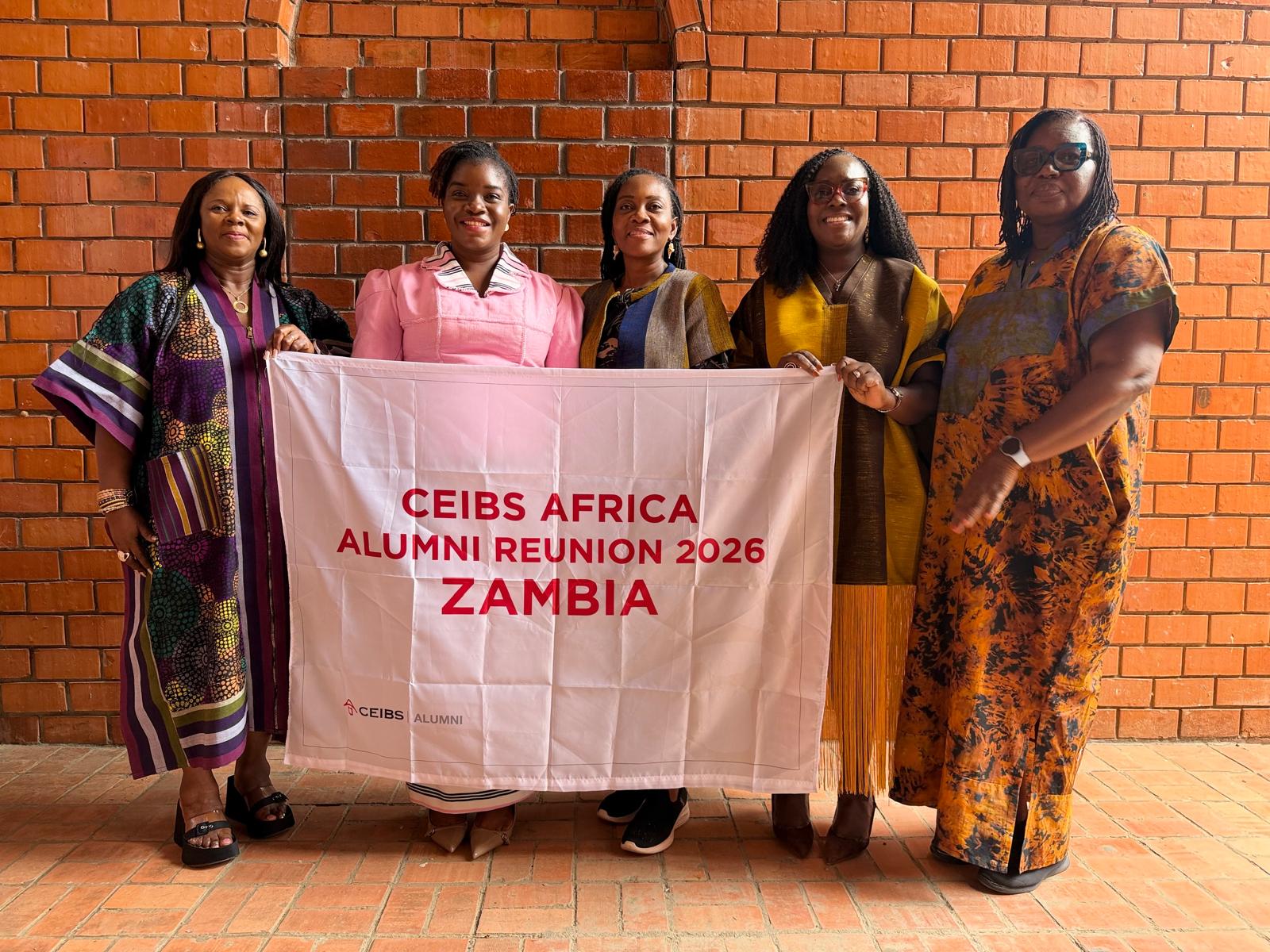
Held at the University of Zambia Graduate School of Business auditorium, the event brought together alumni from across the continent and around the world. The venue was filled with colour, music and excitement as participants arrived in traditional clothing representing their countries and cultures. From Ghanaian Fugu and Nigerian Agbada to traditional Zambian outfits such as the Chitenge, alongside elegant Chinese and European cultural attire, the event felt like a global cultural showcase woven together by pride, heritage and shared identity.
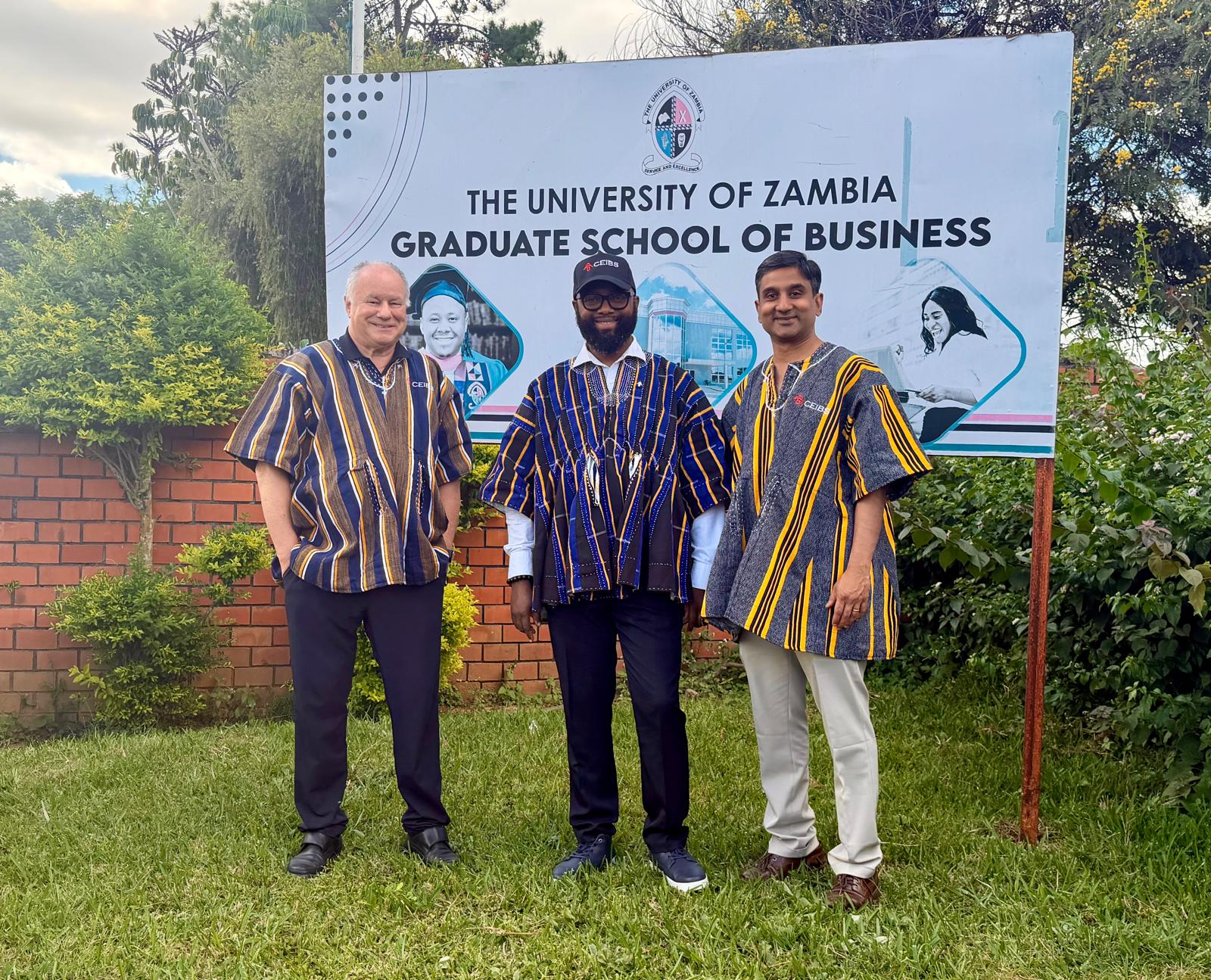
The Fugu and traditional African clothing exhibition quickly became one of the highlights of the reunion. Many alumni proudly wore the handwoven smock from northern Ghana, crafted from richly woven fabric featuring vibrant striped patterns and detailed embroidery that reflect generations of Ghanaian craftsmanship and heritage. Some of the traditional weave styles displayed included the Nyariga, a popular striped weave pattern associated with Northern Ghana; Kpakoto, known for its bold, thicker stripe arrangements; Zili, a simpler everyday weave commonly used for casual smocks; and Bugu, darker-toned woven styles often connected with traditional or spiritual symbolism. Alumni spent time sharing stories behind their outfits, explaining the meanings, history and traditions connected to the clothes they wore.
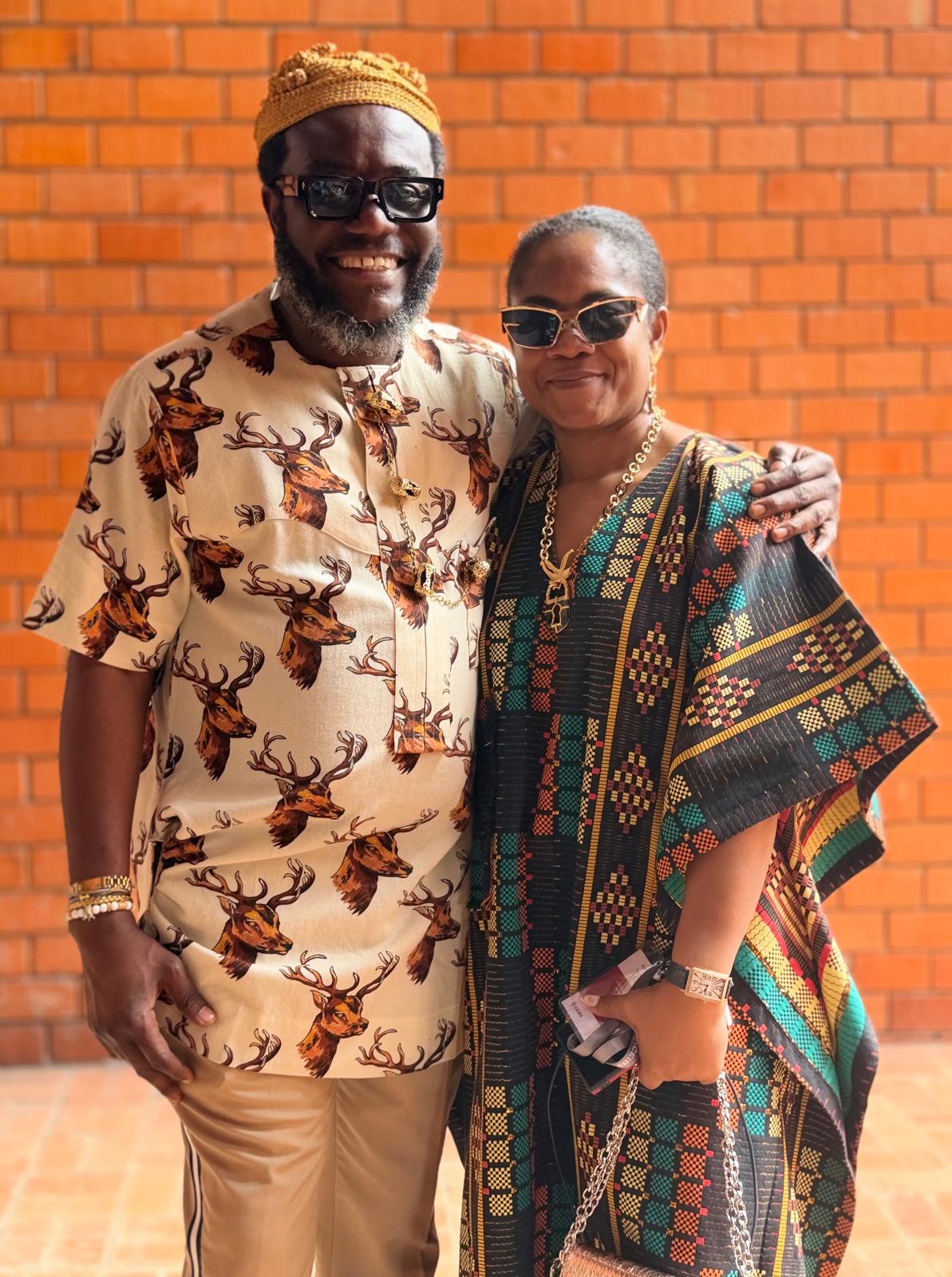
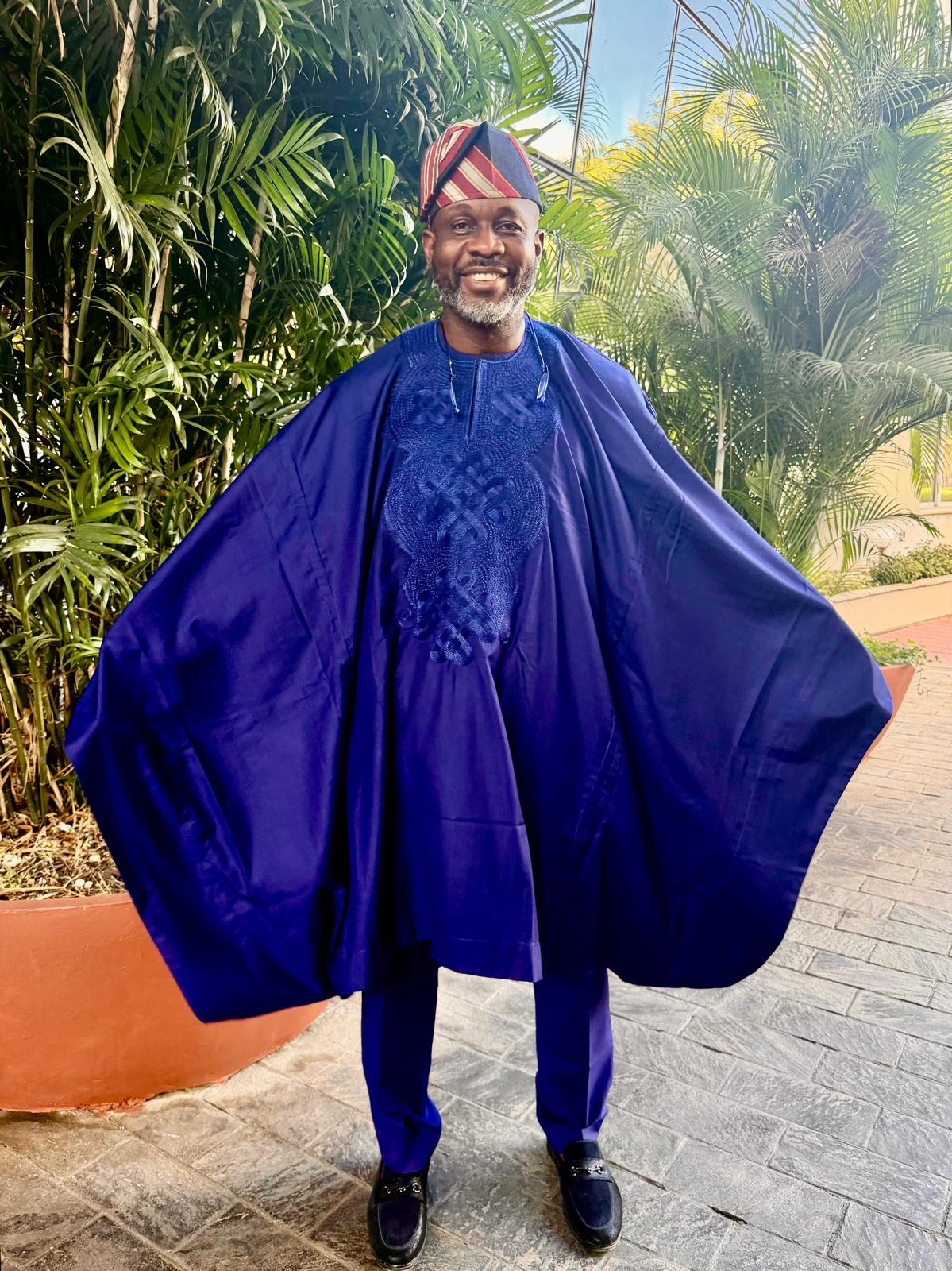
The exhibition also highlighted the richness of Nigerian traditional fashion. The traditional Igbo Ishiagu fabric, featuring its distinctive repeated stag or deer-head motif, drew admiration for its symbolism of authority, prestige, courage and masculinity in Igbo culture. Equally striking was the Agbada, one of the most iconic traditional attires in West Africa, especially among the Yoruba people of Nigeria. The flowing outfit is widely regarded as a symbol of dignity, honour, wealth and cultural pride, traditionally associated with kings, chiefs, elders, scholars and respected figures because of the elaborate craftsmanship and embroidery required to produce it.
The celebration also reflected the “C” and “E” in CEIBS — China Europe International Business School, as participants from China and Europe joined African alumni in celebrating cultural diversity through fashion and shared experiences. Among the standout cultural displays was the elegant Chinese Cheongsam, also known as the Qipao, one of the most recognizable symbols of Chinese sophistication and cultural identity. A black lace Cheongsam showcased at the event blended traditional Chinese heritage with modern fashion, adding to the reunion’s celebration of cultural diversity.

The celebration was further energised by performances from a Zambian cultural troupe dressed in vibrant Chitenge outfits, whose drumming, dancing and traditional displays brought the auditorium to life. The Chitenge, known for its colourful printed fabric and bold patterns, holds deep cultural significance in Zambia and many parts of Southern and Central Africa. Often worn during ceremonies, celebrations and important community gatherings, the attire symbolises cultural pride, identity, unity and connection to tradition. The performers’ Chitenge costumes added rhythm, colour and authenticity to the event, perfectly complementing the rich display of fashion from across Africa and beyond.
The exhibition carried even deeper meaning against the backdrop of recent conversations about African culture and identity sparked by the Ghanaian President’s visit to Zambia, where his traditional Fugu attire became the subject of online debate and mockery. What began as criticism soon evolved into a continent-wide moment of cultural education and appreciation, with many Africans defending the significance and beauty of traditional fashion. International media, including the BBC, highlighted the discussions, while reports later suggested that Zambia’s President embraced the attire, requested Fugu outfits for members of his government, and even moved to exempt taxes on Fugu imports from Ghana. Interest in the traditional smock reportedly spread across other African countries, while back in Ghana, renewed pride in Fugu grew stronger following calls by the President for Ghanaians to wear the attire on Wednesdays as a celebration of local culture and heritage.
Against this backdrop, the CEIBS Africa reunion in Zambia became a reminder of how culture can bring people together across borders. As conversations around African identity continue to grow globally, the reunion showed how culture, fashion and shared experiences can help build understanding, connection and unity across the continent and beyond.
For many attendees, the Fugu and traditional clothing exhibition was not only one of the most enjoyable moments of the reunion, but also one of the most meaningful. Beyond the fabrics, music and performances, the event reflected a larger message: the world’s differences in language, fashion and tradition are strengths worth celebrating.